 Day tour
Season: Year-round
Takachiho Gorge day tour
- Walk the gorge path to Manai Falls between basalt cliffs
- Many tours add Amano Iwato Shrine; the rowboats are usually extra

Travel guide
When to go, what to pack, money, driving, health, safety and etiquette: what to know before your first visit to Miyazaki and southern Kyushu.
| Location | South-east Kyushu, Japan, on the Pacific coast |
|---|---|
| Capital | Miyazaki city, with about 400,000 people |
| Population | About 1 million in the whole prefecture |
| Time zone | Japan Standard Time (UTC+9), with no daylight saving |
| Currency | Japanese yen (JPY) |
| Plugs | Type A (and B), 100 volts |
| Emergency numbers | 110 for police, 119 for fire and ambulance |
Miyazaki is one of the warmest and sunniest parts of mainland Japan, but it also gets heavy rain in early summer and typhoons in late summer and autumn.
| Months | What to expect |
|---|---|
| March to May | Warm and pleasant, with cherry blossoms in late March and early April. Busy in Golden Week. |
| Late May to mid-July | The rainy season, with grey skies and heavy rain at times. Mangoes are in season. |
| Mid-July to September | Hot and humid, with highs above 30°C. The best beach and surf season, and the start of typhoon season. |
| October and November | Warm days and clear skies. Autumn colours in Takachiho in mid to late November. |
| December to February | Mild, dry and sunny days, with cold nights. The night kagura season in Takachiho villages. |
Read more about the best time to visit.
Cards and mobile payments are accepted in hotels, chain stores and many restaurants, but small restaurants, shrines, rural buses and countryside shops may take cash only. Convenience store ATMs accept most foreign cards. Tipping is not expected in Japan.
A car is the easiest way to see Miyazaki. You need an International Driving Permit under the 1949 Geneva Convention, or an official translation of your licence for some countries. Japan drives on the left, and mountain roads to Takachiho and Kirishima are narrow and winding. Read our guide to getting around Miyazaki.
Book ahead
Day tour
Season: Year-round
 Private tour
Season: Year-round
 Surf lesson
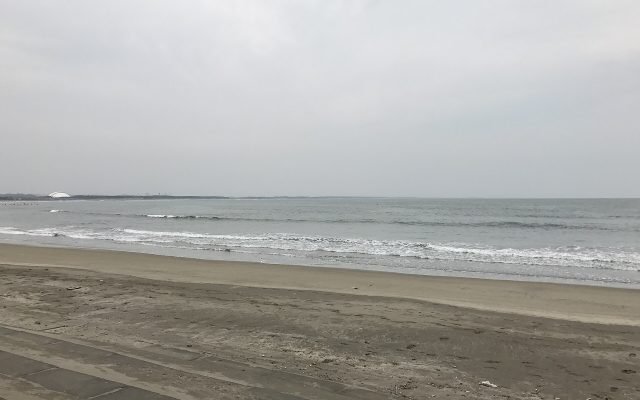
Season: Best Apr–Oct
Good to know
Mild and sunny by Japanese standards. Summers are hot and humid, with highs above 30°C, and winters are mild and dry, with cool nights. The rainy season runs from about late May to mid-July, and typhoons can bring heavy rain from August to October.
Cards are accepted in hotels, chain stores and most restaurants in the city, but carry cash in yen for small restaurants, shrines, rural buses and the countryside. Convenience store ATMs accept most foreign cards.
Yes, Miyazaki is very safe. The main risks are natural: typhoons, heavy rain, earthquakes and tsunamis on the coast, and volcanic activity in the Kirishima mountains. Follow official warnings and learn the tsunami evacuation signs.
Visitors from most countries need an International Driving Permit issued under the 1949 Geneva Convention, along with their national licence. Some countries use an official Japanese translation of the licence instead. Japan drives on the left.