 Day tour
Season: Year-round
Kirishima shrine and hot spring tour
- Visit the vermilion halls of Kirishima Jingu in the forest
- Soak in a hot spring town in the mountains
Nature
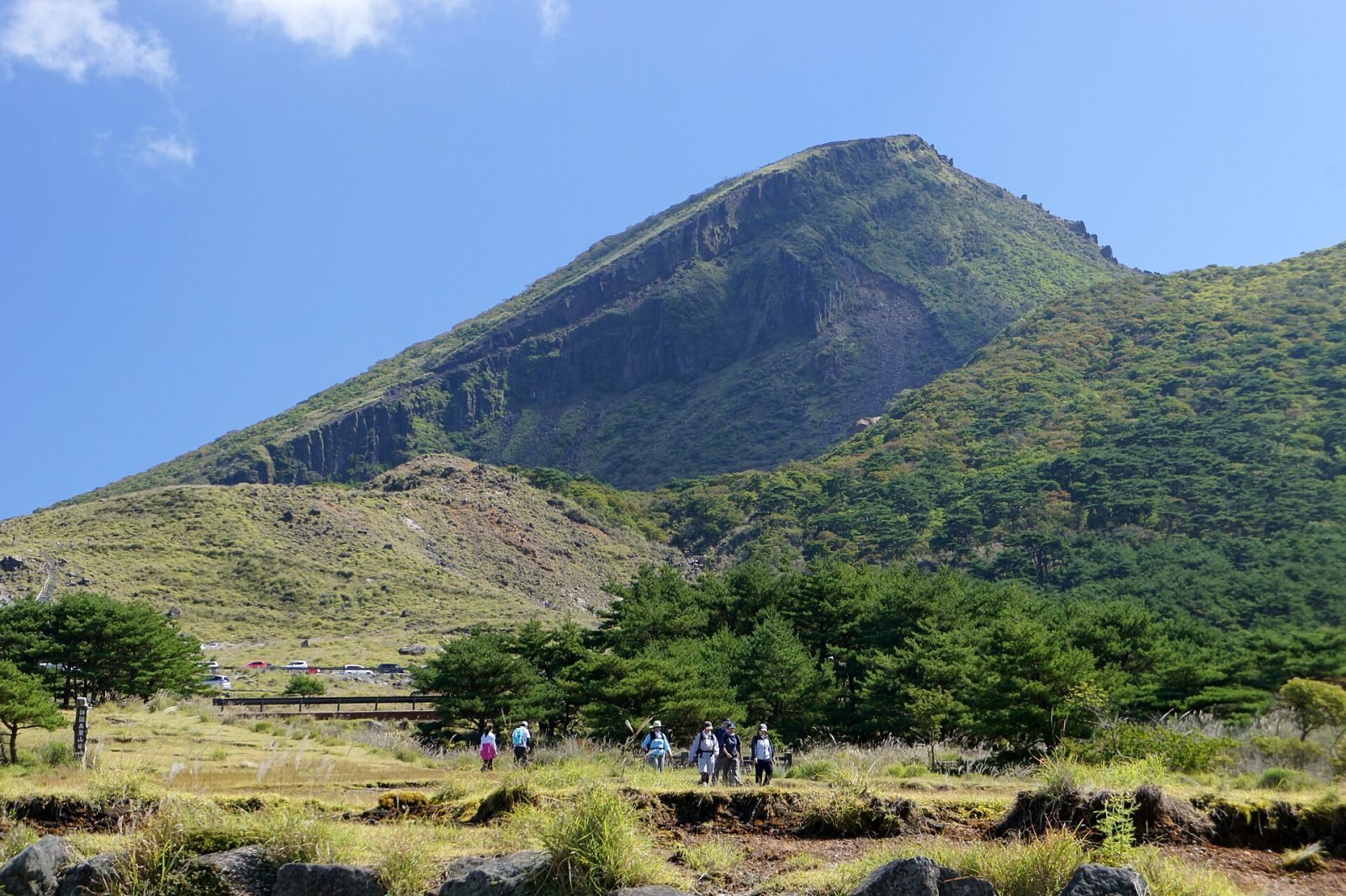
On the border between Miyazaki and Kagoshima, the Kirishima mountains are a cluster of more than 20 volcanoes, with crater lakes, steaming vents, forests and hot springs. They were part of one of Japan’s first national parks, created in 1934, and today they make a dramatic change from the sunny coast. On the Miyazaki side, the gateway is the Ebino Plateau.
Kirishima is very much alive. Shinmoedake erupted in 2011, 2018 and again in 2025, and Iō-yama, right next to the Ebino Plateau, erupted in 2018. The Japan Meteorological Agency sets an alert level for each volcano, and trails within a set distance of an active crater are closed. As of November 2026, Shinmoedake is at Level 2, with no entry within about 2 km of the crater. Levels change, so check the agency’s website and the local visitor centre before you go, and never enter a closed area.
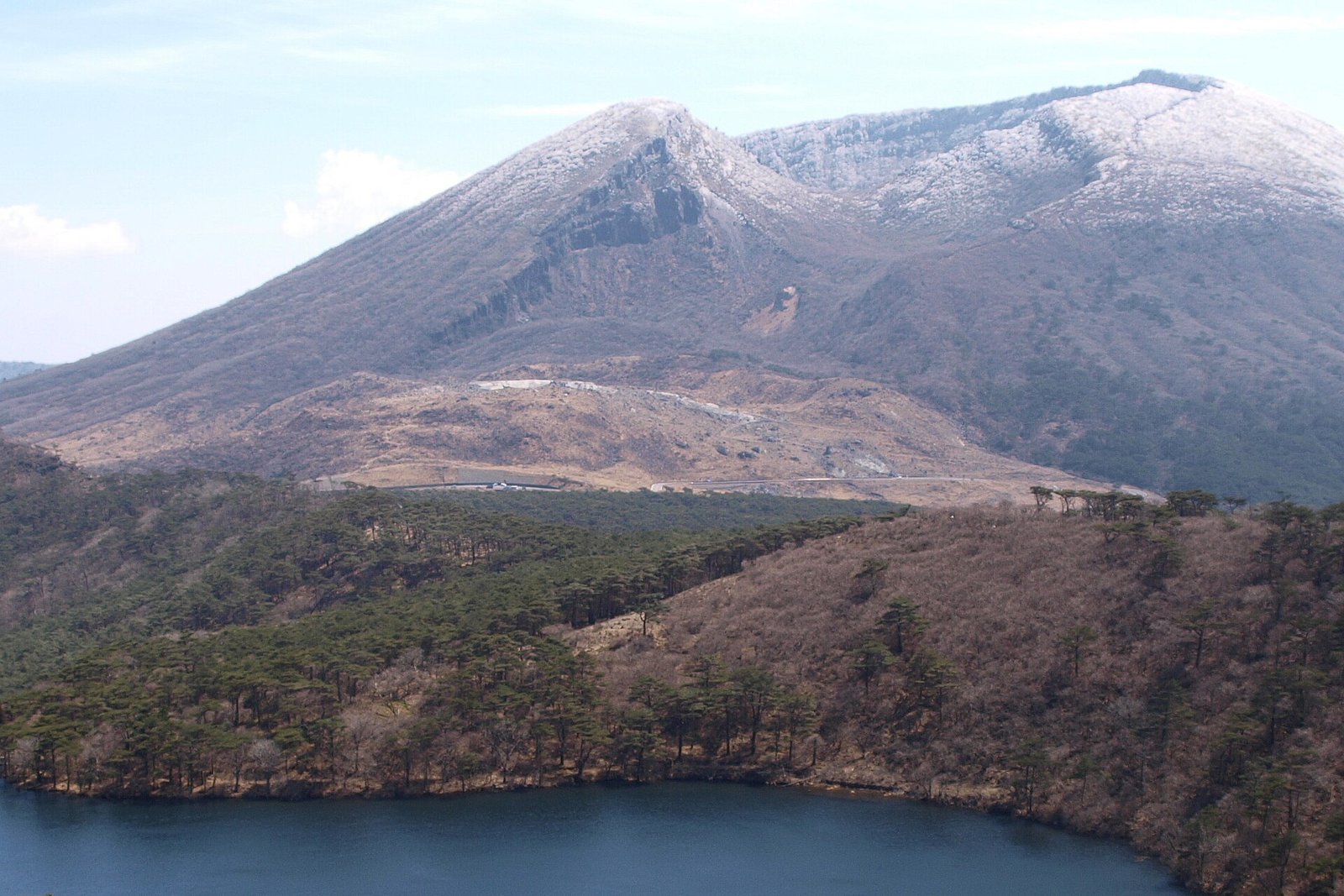
The Miyazaki side of Kirishima is a high plateau at about 1,200 metres, surrounded by volcanic peaks. It is noticeably cooler than the coast, which makes it a pleasant escape in summer.
The mountains are full of hot springs. There are baths near the Ebino Plateau, and the hot spring towns of the Kirishima Onsen area, on the Kagoshima side, have inns with outdoor baths and views over the forest.
On the Kagoshima side of the mountains, Kirishima Jingu is a magnificent vermilion shrine in a cedar forest, dedicated to Ninigi, the grandson of the sun goddess, who according to legend came down from heaven onto the peak of Takachiho-no-mine, in the Kirishima range. The town of Takachiho in northern Miyazaki claims the same story. See our guide to the Takachiho night kagura.
Book ahead
Day tour
Season: Year-round Guided tour
Season: Year-round
 City tour
Season: Year-round
Keep reading
 Practical
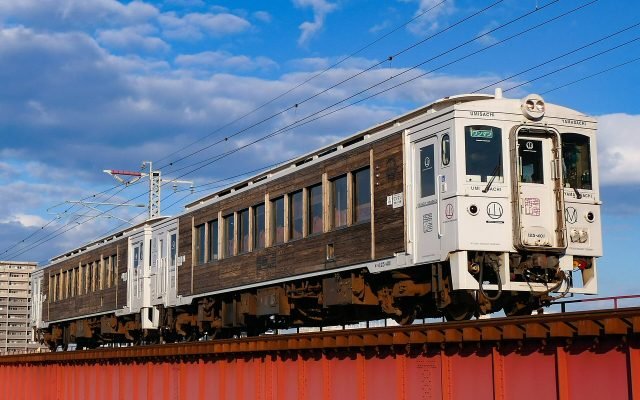
How to get around Miyazaki Prefecture: the JR Nichinan and Nippo lines, buses, hiring a car and driving in Japan, reaching Takachiho, rail passes and when a tour makes sense.
 Culture
A day trip to Obi, the castle town of Nichinan: Obi Castle and its museum, the samurai houses, the walking and eating map, Obi-ten fish cakes and how to get there from Miyazaki.
 Outdoors
A guide to surfing in Miyazaki: the beach breaks around Aoshima and Kisakihama, Okuragahama in Hyuga, the best seasons, lessons for beginners, rentals and safety.