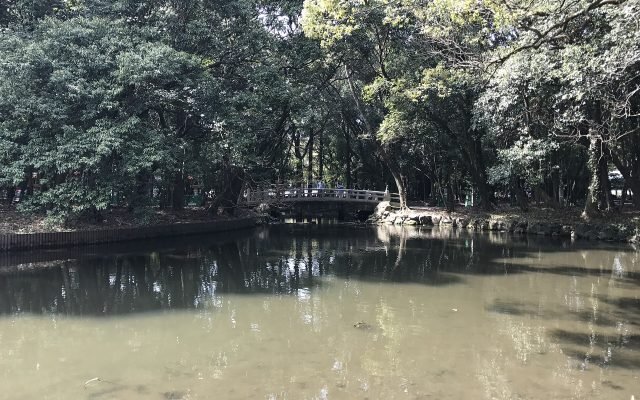
 City tour
Season: Year-round
Miyazaki city tours and activities
- See Miyazaki Shrine, Heiwadai Park and the city’s food
- Compare what can be booked for your dates

Food and drink
Miyazaki is one of Japan’s great farming regions, and its warm climate produces excellent chicken, beef, fruit and vegetables. Many visitors come for the food alone. Here are the dishes to look for, from the famous to the very local.
Miyazaki’s signature dish is chicken nanban: pieces of chicken coated in egg batter, fried, dipped in a sweet and sour vinegar sauce, then topped with a rich tartar sauce. It was created in the city of Nobeoka, in the north of the prefecture, in the mid-20th century, and is now eaten all over Japan. Try it as a set meal with rice and miso soup, or on a rice bowl.

Miyazaki jidori is chicken from local free-range breeds, firmer and more flavourful than ordinary chicken. The classic way to eat it is sumibiyaki: grilled over a fierce charcoal fire until it is blackened and smoky, then served sizzling on an iron plate with a little salt and yuzu pepper. It is chewy, smoky and goes perfectly with beer or shochu. Izakaya in Nishi-Tachibana in Miyazaki city serve it everywhere.
Miyazaki’s wagyu has won the top prize at Japan’s national wagyu competition several times. It is beautifully marbled and tender. Try it as steak, grilled at a yakiniku restaurant, or in a more affordable lunch set.
A summer favourite from farming households: a cold soup of grilled miso, flaked fish and ground sesame, thinned with cold water and mixed with tofu, sliced cucumber and herbs such as shiso and myoga, then poured over warm rice. It is refreshing on a hot day.
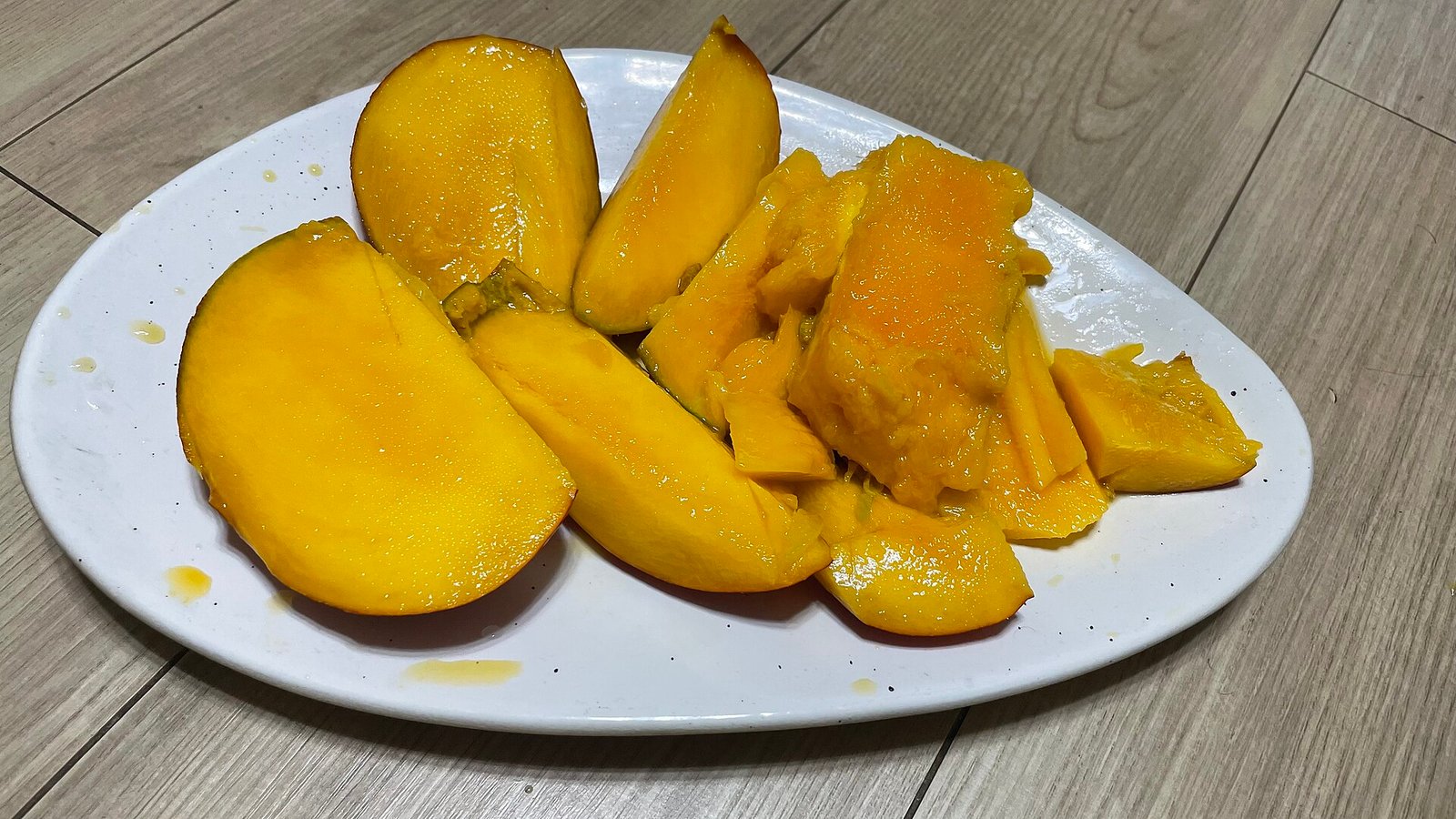
Miyazaki is famous for its greenhouse-grown mangoes, which are left to ripen on the tree until they fall into nets. The very best, sold under the name Taiyo no Tamago (Egg of the Sun), are given as luxury gifts. Mangoes are in season from about April to July, but you can try mango desserts and ice cream all year. Look out too for hyuganatsu, a fragrant local citrus eaten with its soft white pith.
Miyazaki is one of the biggest shochu-making regions in Japan. This distilled spirit is made from sweet potatoes, barley, buckwheat or rice, and locals drink it on the rocks, mixed with water, or with hot water in winter. Ask for a local brand at any izakaya. In Takachiho, try kappo-zake, sake warmed in a fresh stem of green bamboo.
Book ahead
City tour
Season: Year-round Private tour
Season: Year-round
 City tour
Season: Year-round
Keep reading
 Practical
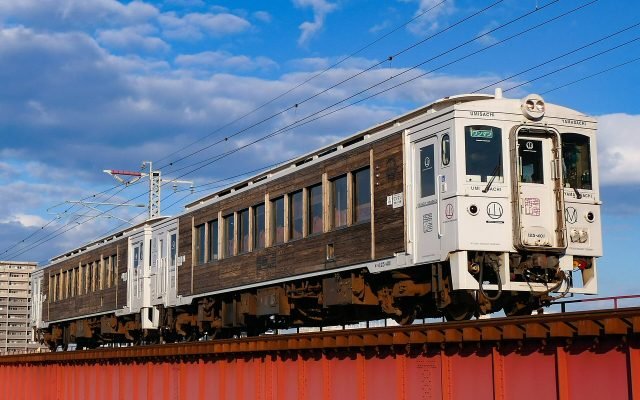
How to get around Miyazaki Prefecture: the JR Nichinan and Nippo lines, buses, hiring a car and driving in Japan, reaching Takachiho, rail passes and when a tour makes sense.
 Nature
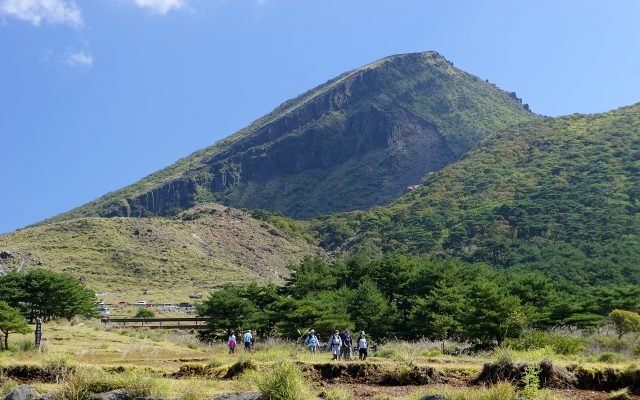
A guide to the Miyazaki side of the Kirishima mountains: the Ebino Plateau, crater lake walks, volcano alerts and trail closures, hot springs and Kirishima Jingu.
 Culture
A day trip to Obi, the castle town of Nichinan: Obi Castle and its museum, the samurai houses, the walking and eating map, Obi-ten fish cakes and how to get there from Miyazaki.